The Interplay of Loyalty Incentives and Game Type Preferences in Mobile Casino Applications
Harper Beck · Oct 11, 2026
The Interplay of Loyalty Incentives and Game Type Preferences in Mobile Casino Applications
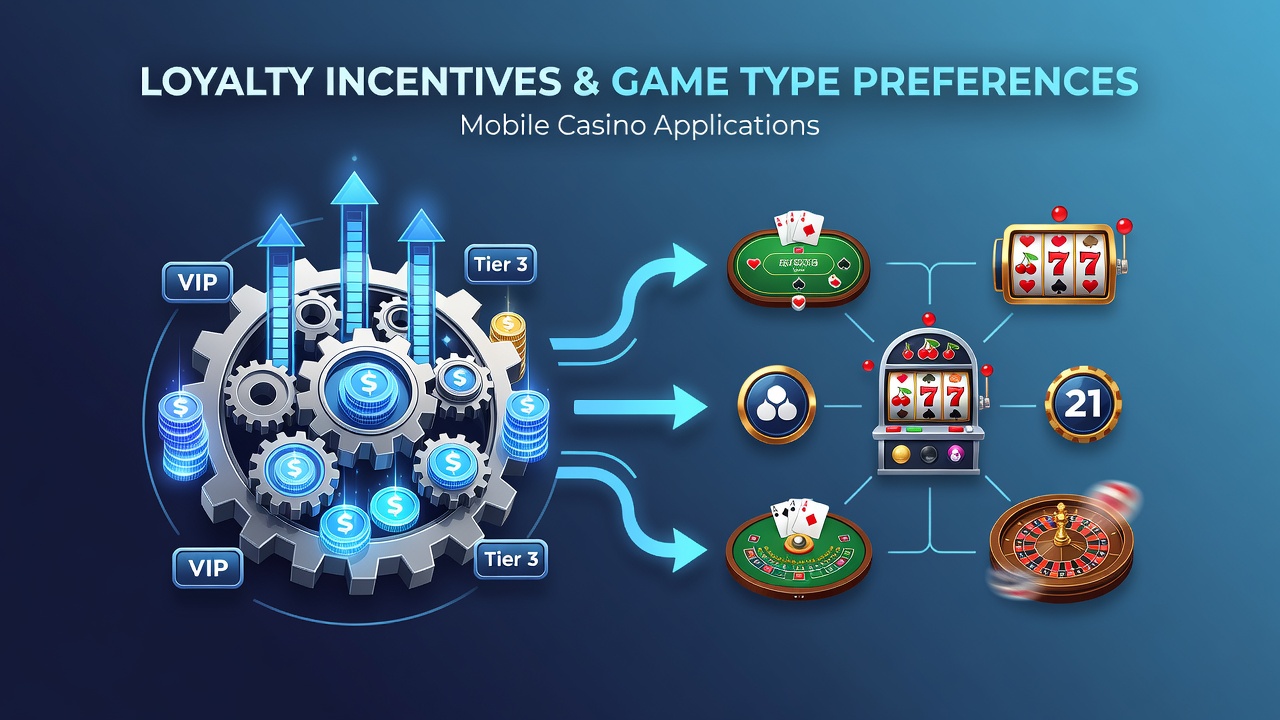
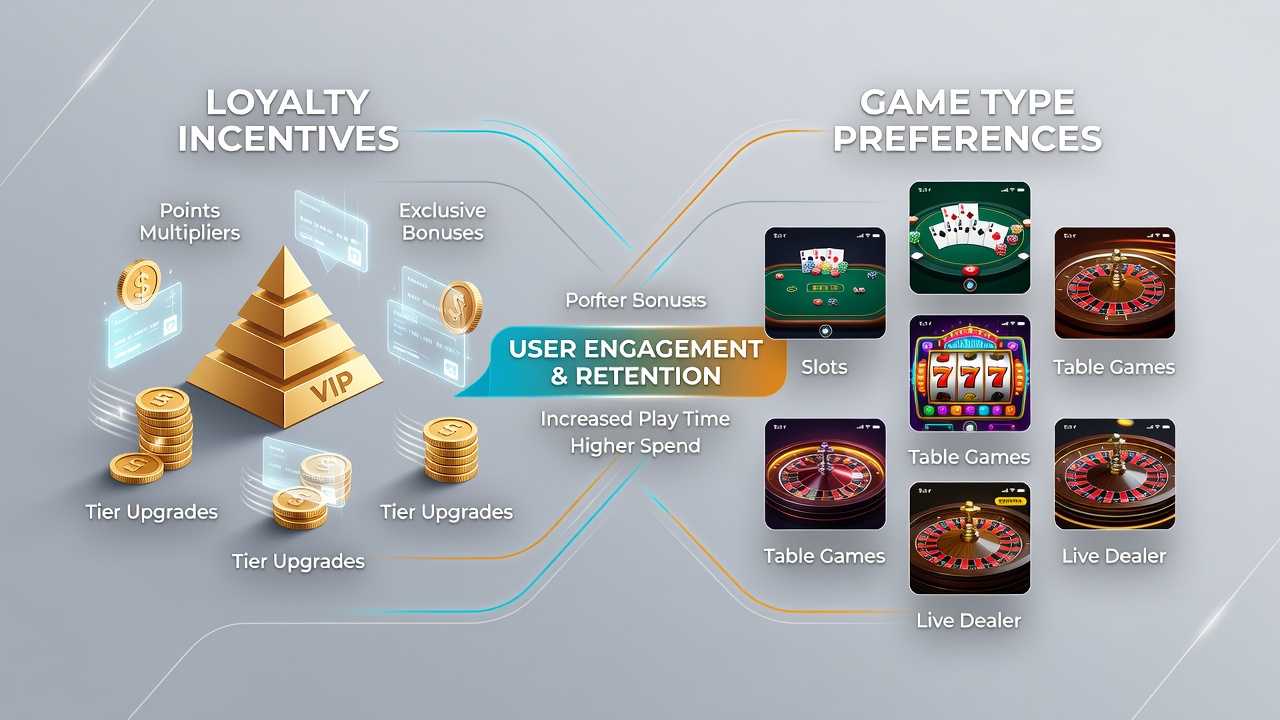
Data from mobile gaming platforms reveals that loyalty incentives directly shape which game types users select, with point multipliers and tiered rewards often steering activity toward slots rather than live dealer options or table games. Studies conducted across regulated markets show that users who receive accelerated points for slot play log higher session times on those titles, whereas flat reward structures lead to more balanced exploration of blackjack and roulette variants. Researchers tracking app analytics in 2025 noted this shift accelerated further into 2026 as operators refined their systems to match observed behaviors.
October 2026 brought fresh reports from several North American jurisdictions indicating that mobile loyalty programs now integrate personalized offers based on past game selections, creating feedback loops where initial preferences become reinforced through targeted bonuses. Those who've examined user data across multiple apps find that free spin incentives tied to loyalty tiers produce the strongest pull toward simulated slot experiences, while cashback structures tied to table minimums encourage different patterns altogether.
How Reward Structures Align With Game Mechanics
Slot games lend themselves naturally to frequent small rewards because of their rapid spin cycles, and loyalty systems capitalize on this by awarding points per spin completed, which in turn unlocks higher tiers that offer even more spins or boosted multipliers. Table games such as blackjack operate on slower decision cycles, so the same point systems generate lower accumulation rates unless operators adjust the formulas, and this adjustment appears in several apps that now grant bonus loyalty for extended play sessions rather than per-hand outcomes.
Evidence gathered by industry analysts shows that users in exclusive membership circles tend to favor slots when loyalty milestones reset daily, whereas weekly or monthly reset cycles correlate with increased live dealer engagement. One study revealed that players who unlock VIP status through slot volume often maintain that preference even after the initial incentive period ends, suggesting the habit formation happens within the first few weeks of program participation.
Regional Patterns and Platform Differences
Operators in regulated European markets have documented higher table game uptake when loyalty rewards include entry into exclusive live dealer tournaments, while North American apps report stronger slot retention when points convert directly into no-deposit bonuses. These differences trace back to regulatory requirements around bonus wagering, which affect how quickly users can access their earned rewards and therefore which games they choose to meet those requirements.
According to data compiled by the American Gaming Association, mobile loyalty programs that segment rewards by game category see measurable shifts in user behavior within three months of implementation. Similar findings appear in reports from the Australian Gambling Research Centre, where researchers tracked how point expiration policies influence whether users stick with high-volatility slots or migrate toward lower-volatility table options to preserve their standing.
Behavioral Data and Incentive Timing
Timing plays a significant role in how loyalty incentives steer game preferences, with push notifications sent during peak evening hours producing stronger responses for slot-based rewards than for table game promotions. App developers have observed that users respond differently when loyalty points carry over across game categories versus when they remain locked to specific titles, and the carry-over model tends to increase overall engagement while reducing concentration on any single game type.
Figures from platform operators indicate that introductory loyalty bonuses focused on slots generate initial volume spikes, yet sustained preferences emerge only after users experience the full tier progression system. Those who've analyzed retention curves note that table game players often require different incentive cadences, such as milestone bonuses for consecutive days of play rather than per-session accumulation, to achieve comparable loyalty.
Integration With Payment and Access Features
Mobile casino applications that link loyalty rewards to specific deposit methods or subscription tiers show distinct game selection patterns, where users on premium subscriptions gravitate toward live dealer options once loyalty status grants reduced house edges or priority seating. In contrast, standard free-to-play models with ad-supported rewards keep most activity centered on slots because those games accommodate shorter, interruptible sessions that fit mobile usage habits.
Research indicates that when loyalty programs tie rewards to responsible gaming limits, the effect on game preferences becomes more nuanced, with some users shifting toward lower-stakes table games to stay within thresholds while still progressing through tiers. This pattern appears consistently in data sets from multiple jurisdictions operating under similar frameworks.
Conclusion
The relationship between loyalty incentives and game type preferences in mobile casino applications continues to evolve as operators refine their data collection and reward algorithms. Patterns observed through 2026 demonstrate that point structures, reset cycles, and personalization features each exert measurable influence over whether users concentrate on slots, table games, or live dealer experiences. These dynamics remain grounded in the mechanics of each game category and the regulatory environments in which the apps operate, producing varied outcomes across different markets and user segments.