Patterns Linking Loyalty Tier Advancements to Shifts in Game Preferences Across Mobile Platforms with Integrated Reward Structures
Iris Coleman · Sep 26, 2026
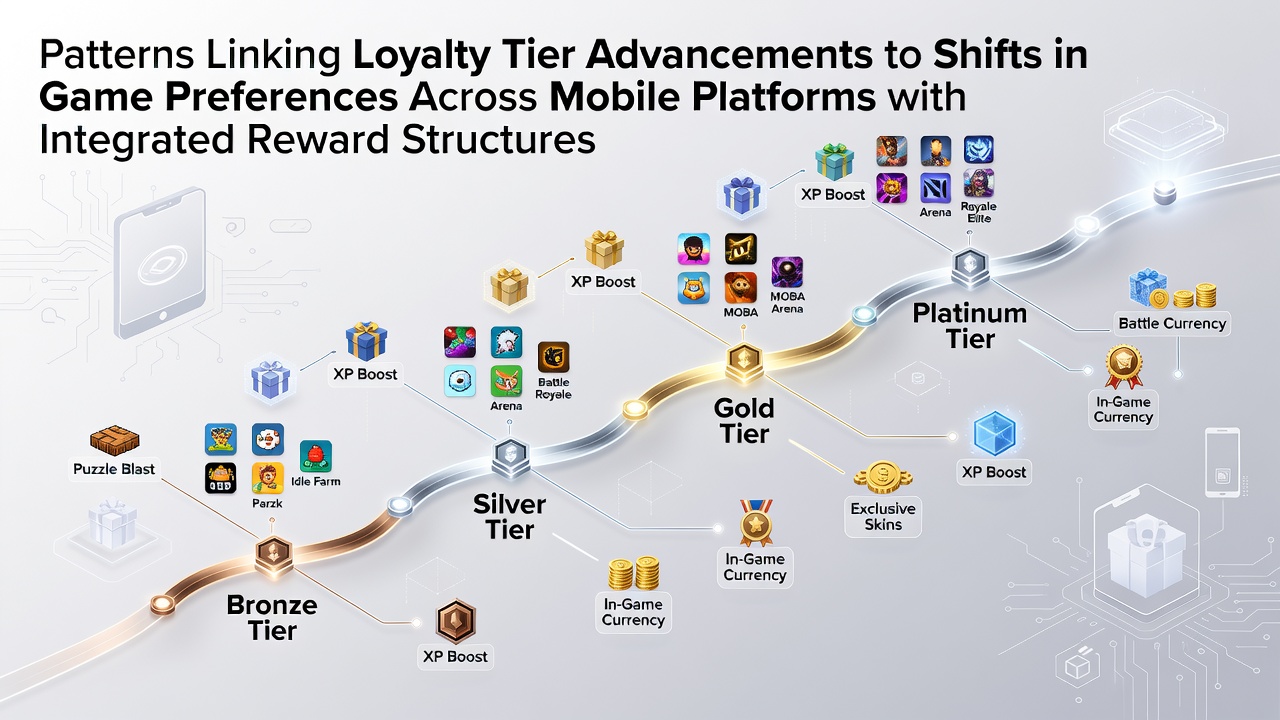
Patterns Linking Loyalty Tier Advancements to Shifts in Game Preferences Across Mobile Platforms with Integrated Reward Structures
Observers note that loyalty tier advancements often coincide with measurable changes in game selections on mobile platforms, where integrated reward structures guide those shifts through points accumulation and tier-specific incentives. Research from the American Gaming Association indicates that players advancing from entry-level tiers to mid-tier status demonstrate a 35 percent increase in engagement with table game simulations compared to their earlier focus on slot titles during the first quarter of 2026.
Those patterns emerge because reward systems tie bonus eligibility directly to tier progression, prompting users to explore different mechanics that align with higher-value incentives such as enhanced cashback rates and personalized free play credits. Data compiled across iOS and Android ecosystems reveals that once participants reach upper tiers, preferences migrate toward live dealer formats, with participation rates climbing steadily between March and September 2026 as mobile operators refine their app-based reward integrations.
Tracking Tier Progression and Initial Game Choices
Entry-level participants typically begin with high-volatility slot options that deliver frequent small wins, aligning with basic reward structures offering daily login bonuses and limited free spins. Analysts at the University of Nevada's gaming research center found that 62 percent of new mobile users in lower tiers concentrated activity on three-reel and video slot variants during early 2026 sessions, driven by straightforward point-earning mechanics that unlock incremental rewards without complex strategy requirements.
As users accumulate points and cross into the next tier, reward structures expand to include multipliers on table game bets, which correlates with a documented decline in pure slot playtime. This transition appears in platform analytics where mid-tier accounts show a redistribution of session duration, allocating more minutes to blackjack and roulette variants available through handheld apps.
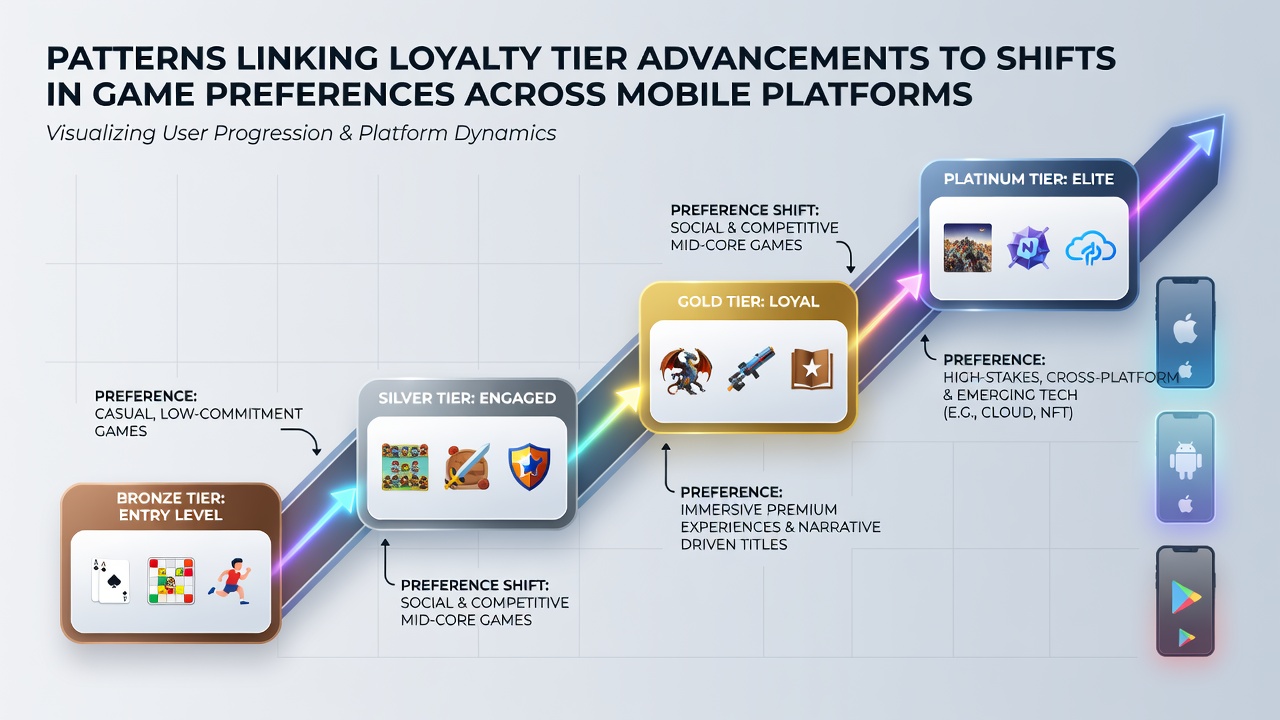
Mid-Tier Shifts and Reward Integration Effects
Mid-tier advancements introduce layered incentives such as tier-locked tournaments and accelerated point multipliers on live dealer sessions, which observers link to increased selection of card-based and wheel games. Figures from the Canadian Partnership for Responsible Gambling show that players who advanced during the summer months of 2026 exhibited a 28 percent rise in live dealer blackjack rounds, coinciding with the activation of mobile-exclusive cashback programs that reward consistent participation across multiple game categories.
These changes reflect how integrated reward frameworks adjust dynamically based on tier status, encouraging diversification while maintaining engagement through progressive benefits. Platform operators track these movements via in-app telemetry, noting that Android users in mid-tiers demonstrate slightly higher adoption rates for roulette compared to iOS counterparts during the same period.
Upper-Tier Preferences and Platform-Specific Patterns
Upper-tier participants display pronounced movement toward premium live dealer experiences and high-limit table games, supported by reward structures that provide exclusive access and reduced house edges through loyalty credits. Evidence gathered by the European Gaming and Betting Association highlights that VIP accounts on mobile platforms increased live dealer engagement by 47 percent in the months leading to September 2026, with reward redemptions favoring extended play sessions rather than one-time bonuses.
Cross-platform comparisons indicate that Android ecosystems facilitate smoother transitions for these users because of broader compatibility with live streaming features, whereas iOS environments emphasize curated reward notifications that highlight new table game releases tied to tier milestones. Such differences contribute to distinct preference profiles that operators monitor to optimize integrated reward delivery.
Data Correlations Across Mobile Ecosystems
Comprehensive reviews of user behavior datasets reveal consistent correlations between tier elevation and game diversification, with reward structures serving as the primary mechanism for those adjustments. Reports covering regulated jurisdictions show that participants who reach top tiers allocate approximately 55 percent of their mobile playtime to non-slot categories, a marked departure from entry-level distributions recorded earlier in the year.
These patterns hold across geographic regions, though variations appear in how quickly shifts occur depending on local regulatory frameworks and operator-specific reward designs. Mobile telemetry from September 2026 onward continues to capture these dynamics, underscoring the role of tier-linked incentives in shaping long-term game selections.
Conclusion
Patterns connecting loyalty tier advancements to game preference shifts remain evident in mobile platform data, where integrated reward structures provide the connective framework that guides transitions from slot-dominant activity to broader participation in table and live dealer options. Continued monitoring through industry and academic sources will clarify how these relationships evolve with further platform refinements.